Technical & digital consultancy for charities and NGOs.
Carbon accounting. Digital infrastructure. Stakeholder carbon engagement. WordPress and low-cost ethical platforms. Carbon data tools. Project management. Grant writing. AI tools, human judgement. One consultant. No seven-and-a-half-million-year wait.
The carbon transition has created a significant demand for a type of consultant that does not, in any practical sense, exist: someone who understands both the science of greenhouse gas accounting and the unglamorous reality of making a WordPress site work. Most organisations resolve this by hiring two people who do not talk to each other, or one person who is quietly baffled by half the job.
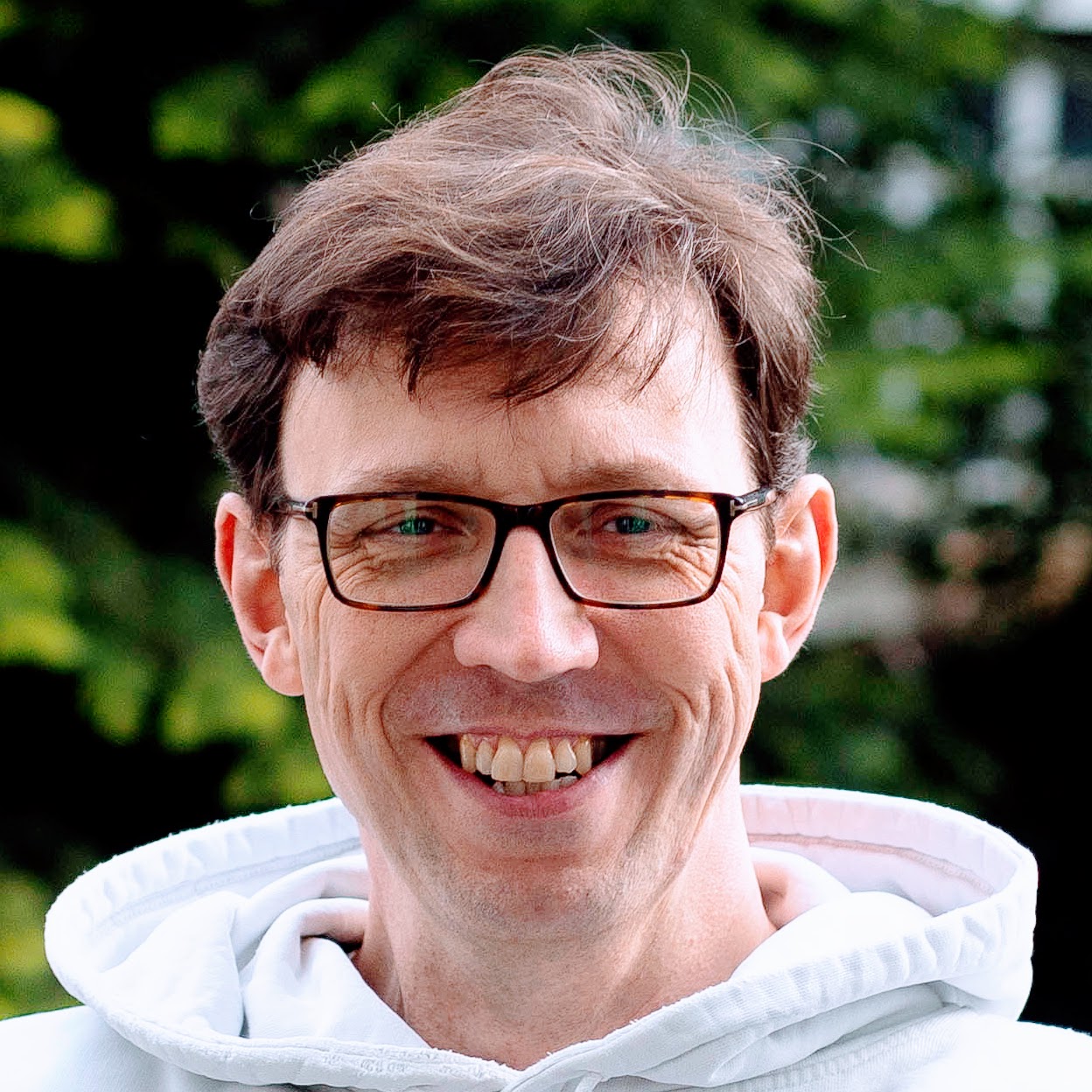
Adam Hardy is the other option. Twenty years in software engineering, followed by five years directing EcoCounts, a London-based citizen carbon reduction charity, have produced an unusual combination of capabilities. Carbon footprint methodology, or whatever the requirement you have, and the system to track it can be handled in the same conversation.
Supply chain emissions, Scope 3, your organisational carbon footprint - measuring things most organisations would prefer not to know, then working out what to do about them.
Domains, hosting, email accounts, cloud storage, backup systems, and security. The infrastructure most organisations rely on without fully understanding. Getting it in order is less exciting than it sounds and more important than it appears.
Most organisations that have made a net zero commitment do not yet have a clear path to it. This is not as surprising as it sounds. What is surprising is how straightforward the path becomes once someone sits down and draws it.
Site builds, redesigns, plugin updates, hosting migration, using free and freemium tools wherever possible. Somewhere out there is the person who built your current website. They know where their towel is. You need someone who knows where yours is.
Running carbon engagement programmes for communities, staff teams, and member organisations. Combining facilitation, data collection, and behavioural design in a way that produces actual results rather than a newsletter and a pledge. Based on three years of doing exactly this with real people in real households.
Open-source software, freemium plugins, ethical hosting, and sustainable platforms chosen for what they cost and who runs them, not for what a supplier would prefer to sell. Includes assessment of AI tools against privacy, accuracy, and energy consumption criteria. Not all cheap tools are ethical, and not all expensive ones are safe. The digital equivalent of not buying what you don't need.
Building the tools that turn raw carbon data into something an organisation can actually act on. Tracking spreadsheets, visualisation dashboards, and automated reporting templates, designed for small teams without dedicated technical resource. Data without a dashboard is just guilt in a spreadsheet.
Keeping digital projects from becoming somebody else's problem.
AI tool selection, output verification, data handling, and UK GDPR compliance in an AI-assisted workflow. Whether you find AI mostly harmless or mostly alarming, it is now embedded in enough of the tools your organisation uses that ignoring it has become its own kind of risk.
The kind of structured thinking that larger organisations take for granted - funding strategy, workplans, governance, stakeholder management - applied at a scale that actually fits. Brought to you by someone who has done it, rather than someone who has read about it.
Facilitated workshops that help teams and communities understand climate change and their role in it. Includes Climate Fresk, the evidence-based card game used by over a million people worldwide. Better than spending a year dead for tax purposes, and considerably more useful.
Many charities write compelling cases for support and then lose marks on the specification. This is fixable.
Twenty years as a software engineer across finance and payments, including BP, UBS, and BNP Paribas. Five years as non-remunerated Director of EcoCounts, a community carbon footprint tracking charity operating across Camden, Islington, Hackney, and Haringey, with UCL academic partnerships.
All consultancy outputs are human-authored and verified. AI tools are used selectively and transparently, for research assistance and drafting only, never for anything a client will rely on without independent checking.
If you have a project that needs both a spreadsheet and a conscience, get in touch.
adam.hardy@cyberspaceroad.com